The flat roofs that blanket Tampa homes and businesses are more than just structural elements; they're a key line of defense against the region's increasingly extreme weather. As climate change intensifies, these roofs face heightened challenges from powerful storms, intense sunlight, and rising temperatures. Leaks, damage, and reduced lifespan become ever-present threats.
This poses a significant problem for Tampa homeowners, as a damaged roof can lead to costly water damage and structural instability. Fortunately, understanding these challenges allows for proactive solutions. Flat roof installation in Tampa, when done right, can offer superior durability, energy efficiency, and peace of mind in the face of a changing climate. This article examines the specifics, exploring the latest technologies, best practices, and expert advice for navigating the challenges of climate change for Tampa's flat roofs.
- Understanding Flat Roofs in Tampa's Climate
- Climate Change's Impact: Rising Temperatures
- Water Management and Flat Roofs: Challenges
- Local Adaptation: Flat Roof Installation Strategies
- Future-Proofing: Sustainable Flat Roof Solutions
Understanding Flat Roofs in Tampa's Climate
Understanding Flat Roofs in Tampa's Climate
Tampa's unique climate, characterized by high humidity, frequent rainfall, and occasional extreme weather events, presents specific challenges for flat roof installations. When selecting a flat roof material, Tampa homeowners and property managers must consider these conditions. Shingle roofs, while popular, may not be the best choice here due to their vulnerability to heavy rains and potential wind damage. Instead, flat roofs constructed with durable, waterproof materials like EPDM or TPO offer superior protection against water leaks, a common concern in Tampa's climate.
Expert installers, like those among the top 10 companies in Tampa, prioritize proper drainage systems and flashing to mitigate water penetration risks. They also employ techniques such as slope adjustments and underlayment to ensure water runs off effectively. Regular flat roof maintenance is crucial, especially in Tampa's climate. Certified flat roof contractors recommend inspecting for signs of wear, cracking, or blistering, and performing repairs promptly to prevent more serious damage. Immediate repairs for water leaks can save thousands in structural repairs down the line.
Consider the best flat roof installers Tampa has to offer, who can provide detailed breakdowns of installation costs, which vary based on factors like the roof's size, complexity, and chosen materials. Proper preparation, including thorough inspections and necessary preparations, is key to a successful flat roof installation. By understanding Tampa's climate and collaborating with experienced contractors, homeowners can ensure their flat roofs stand up to the challenges posed by the local weather conditions.
Climate Change's Impact: Rising Temperatures
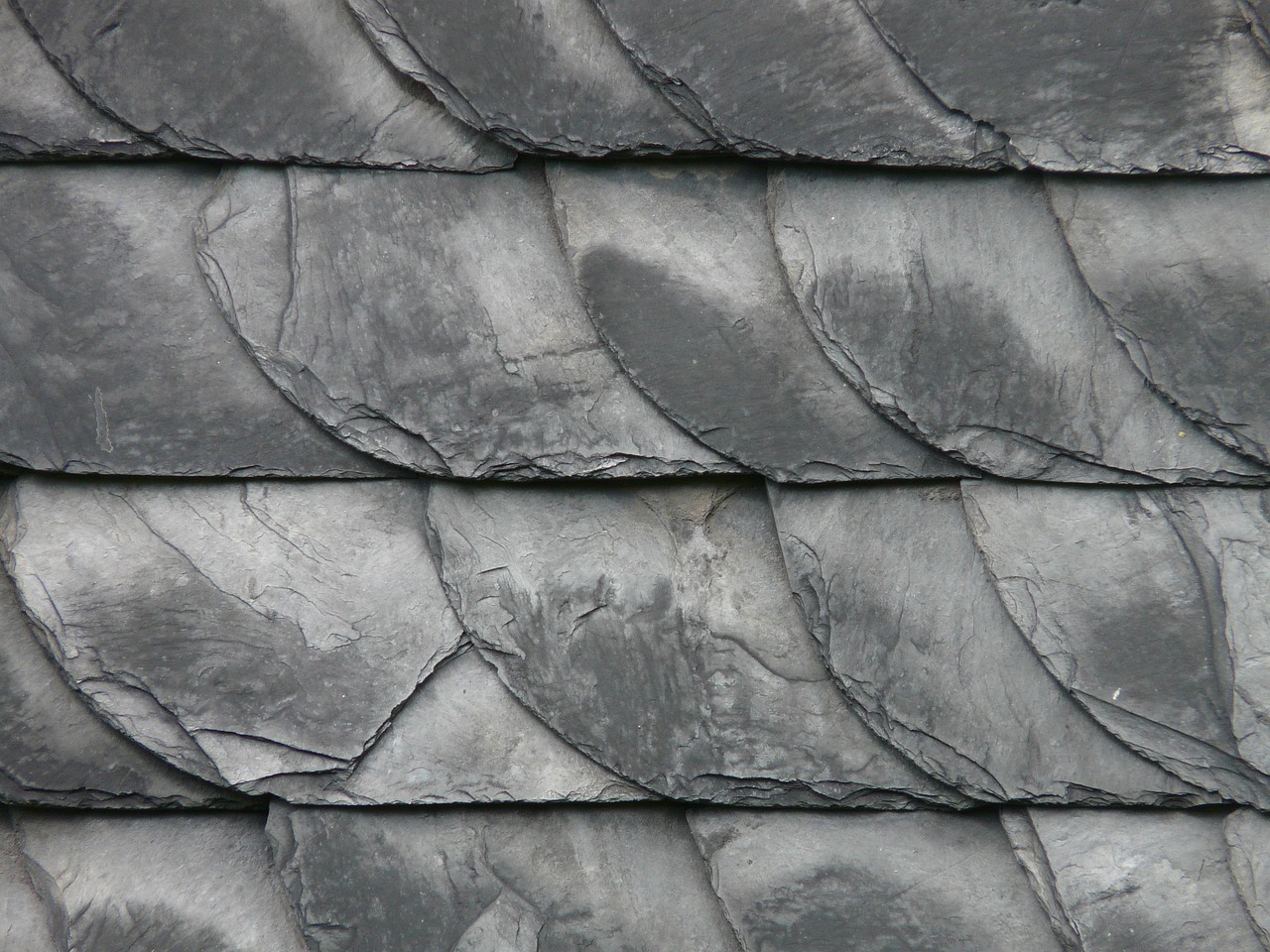
Rising temperatures in Tampa, driven by climate change, are significantly impacting the performance and longevity of flat roofs. As the climate continues to warm, traditional flat roof materials like asphalt shingles may not hold up as effectively. The increased heat can lead to faster degradation of the roofing materials, and higher temperatures can also accelerate the growth of algae and mold, which can compromise the structural integrity of the roof.
Local flat roof experts in Tampa are noting these trends and adjusting their installation practices accordingly. Many are now recommending the use of more durable, heat-resistant flat roof materials. The best flat roof material for Tampa's evolving climate might include torus-shaped concrete tiles or metal roofing, both of which can better withstand the higher temperatures. These experts are emphasizing the importance of proper ventilation to keep the roof cooler and reduce the risk of water leaks, a common issue exacerbated by rising temperatures.
Climate change also brings more extreme weather events, such as intense storms and hurricanes, which can cause significant damage to flat roofs. Tampa homeowners should prepare for these events by ensuring their roofs are well-maintained and installed by licensed local experts who understand the specific challenges posed by the region's changing climate. Regular inspections and timely repairs are crucial to prevent costly damage from water leaks, which can lead to extensive interior damage and even structural problems. By adopting these measures, Tampa residents can protect their investments and ensure the longevity of their flat roofs in the face of a changing climate.
Water Management and Flat Roofs: Challenges
The impact of climate change on Tampa's flat roofs presents unique challenges for property owners and installation experts alike. One of the most pressing issues is water management, as the region's increasing frequency and intensity of rainfall test the integrity of these structures. In a city with a humid subtropical climate, flat roofs, often constructed with traditional materials like asphalt or metal, must withstand heavy downpours and prolonged moisture exposure.
For water leaks, Tampa's flat roofs can be particularly vulnerable, especially during the peak hurricane season. Immediate repairs are crucial to prevent extensive damage to the building envelope and interior spaces. Fortunately, licensed flat roofers in Tampa are equipped to handle same-day emergency repairs, ensuring swift protection for homeowners. A leading local installation company offers 24/7 leak detection and repair services, leveraging advanced technology to pinpoint issues swiftly. This proactive approach is vital, as delayed repairs can lead to costly renovations and health hazards.
The need for robust water management systems calls for a reevaluation of traditional flat roof design and materials. Flat roof replacement cost in Tampa is a significant consideration, but investing in more durable materials and advanced drainage systems can pay off in the long run. Experts recommend exploring options like reflective coatings to reduce heat absorption and improve drainage systems to mitigate water-related damage. By adopting these strategies, Tampa homeowners can extend the lifespan of their flat roofs and protect their properties from the evolving climate challenges.
Local Adaptation: Flat Roof Installation Strategies
As Tampa's climate continues to evolve, so do the demands placed on flat roof installations. Local experts in flat roof installation Tampa are adapting their strategies to address the challenges posed by extreme weather events and rising temperatures. Increased frequency and intensity of storms require roofs that can withstand higher wind speeds and heavy rainfall.
Top-rated flat roof installation Tampa companies are incorporating more durable materials and reinforcement techniques. Shingle roofs, once a common choice, may be replaced with more robust options like metal or modified bitumen, which offer superior wind resistance and longer lifespans. These companies are emphasizing proper drainage systems and flashings to mitigate water damage, a growing concern in the region.
Beyond installation, maintaining flat roofs is crucial in Tampa's climate. Homeowners should follow flat roof maintenance tips Tampa experts recommend, such as regular inspection and cleaning to prevent buildup and ensure optimal performance. Addressing leaks promptly is also vital, as water damage can lead to costly interior repairs. Many local installers offer emergency repair services to Tampa homeowners, ensuring swift responses to sudden roof issues. By adopting these adapted practices, Tampa's residents can ensure their flat roofs provide reliable protection against the area's evolving climate conditions.
Future-Proofing: Sustainable Flat Roof Solutions
As Tampa's climate continues to evolve, so do the challenges and opportunities for flat roof installations. To future-proof these structures, local flat roof experts Tampa are embracing sustainable and innovative solutions. One of the key considerations is the impact of extreme weather events, such as increased rainfall and stronger storms, which can lead to water leaks and damage.
Top-rated flat roof installation Tampa companies are now prioritizing long-lasting, high-performance materials that can withstand these harsh conditions. This includes advanced single-ply membranes and energy-efficient cool roofs, which reflect sunlight, reducing the need for excessive air conditioning. A local expert might recommend TPO (Thermoplastic Polyolefin) membranes, known for their exceptional durability and resistance to both UV degradation and punctures. By choosing these materials and implementing proper drainage systems, installations can extend their lifespans and reduce the need for frequent repairs, thereby lowering maintenance costs.
Low-cost flat roof installation Tampa is not just about saving money upfront; it's also about long-term sustainability. By investing in durable materials and efficient designs, homeowners can minimize future replacement costs and contribute to a more environmentally friendly Tampa. This approach not only benefits individual properties but also supports the city's broader efforts to become a more resilient and sustainable urban environment.
Frequently Asked Questions About The Impact of Climate Change on Flat Roofs in Tampa
What are the primary effects of climate change on flat roofs in Tampa? Climate change brings increased rainfall and higher temperatures, which can accelerate the degradation of flat roofs in Tampa. Higher humidity levels and more frequent storms can lead to leaks, mold growth, and structural damage. The extreme weather conditions can also shorten the lifespan of roofing materials, making them more susceptible to failure. Regular maintenance and early detection of issues become crucial to mitigate these effects.
How does increased rainfall impact flat roofs? The additional rainfall can overload the drainage system of flat roofs, leading to water pooling. This can cause structural damage over time and create ideal conditions for mold and mildew growth. Proper drainage solutions, such as enhanced gutter systems and roof drains, can help alleviate these issues, but regular inspection is necessary to ensure their effectiveness.
Can higher temperatures affect flat roofs? Absolutely. Higher temperatures contribute to the deterioration of roofing materials, particularly in regions like Tampa where temperatures frequently exceed 90F (32C). This can lead to the loss of adhesive properties in roofing membranes, increased evaporation rates, and a faster breakdown of protective coatings, all of which compromise the roof's integrity.
What role does humidity play in flat roof damage? High humidity levels in Tampa's climate create an environment conducive to mold, mildew, and fungal growth. These organisms can infiltrate and erode roofing materials, causing structural weakness. Humidity can lead to condensation on roof surfaces, further exacerbating water-related problems.
How can Tampa residents prepare their flat roofs for climate change? Residents can take several proactive steps. Regular cleaning and maintenance to remove debris are essential. Ensuring proper ventilation and addressing any signs of leaks or water damage promptly are crucial. Upgrading to more durable roofing materials and implementing effective drainage systems can also significantly enhance the resilience of flat roofs against climate change impacts.
What are some signs that a flat roof needs immediate attention? Signs of immediate concern include visible leaks, water stains, sagging or curling roof surfaces, and increased noise from the roof. If there are indications of structural weakness or significant water damage, it's vital to contact a professional roofer promptly to prevent further complications.
As Tampa faces the impacts of climate change, understanding the unique challenges for flat roofs in this environment is crucial. This article has explored how rising temperatures, intense storms, and extreme weather events demand innovative solutions for flat roof installation and maintenance. The key takeaway is that adapting to these changes is essential for the long-term functionality and safety of Tampa homes.
Local installation companies and experts are leveraging advanced technologies and sustainable practices to address these challenges. Implementing water management strategies, choosing reflective materials, and integrating green solutions can significantly improve the resilience of flat roofs. By prioritizing these adaptive measures, Tampa homeowners can ensure their properties are protected against climate-related risks.
Future-proofing flat roof installations through these methods not only enhances resilience but also adds value to homes. Investing in these strategies now positions Tampa residents to avoid costly repairs and disruptions in the future. This proactive approach, combined with the expertise of licensed and insured local contractors, is the way forward for a more sustainable and resilient Tampa.
Flat Roof Installation in Tampa: Adapting to Climate Change
Tampa's unique climate poses challenges for flat roof installations, demanding durable materials and expert techniques. Shingle roofs may not be suitable due to vulnerability to heavy rains and wind damage. EPDM and TPO offer superior protection against water leaks. Regular maintenance, including inspections and repairs, is crucial, with immediate attention to leaks saving thousands in structural repairs.
Local top 10 flat roof installers in Tampa offer detailed installation cost breakdowns, emphasizing roof size, complexity, and material choices. Proper preparation and collaboration with experienced contractors ensure successful installations.
Climate Change Impacts:
Rising temperatures accelerate material degradation and mold growth, necessitating heat-resistant materials like concrete tiles or metal roofing. Proper ventilation is vital to mitigate water leaks. Extreme weather events require reinforced installations and emergency repair services.
Adapting Strategies:
Local experts incorporate durable materials, reinforcement, and advanced drainage systems. "Green" solutions like TPO membranes and cool roofs extend lifespans, reduce maintenance costs, and promote sustainability.